- +91 96650 78806
- sales@knsolutions.in
- India
- Mon – Sat | 9:00 AM – 6:00 PM


Understanding Balanced Crop Nutrition: Essential Nutrients for Healthier Plants

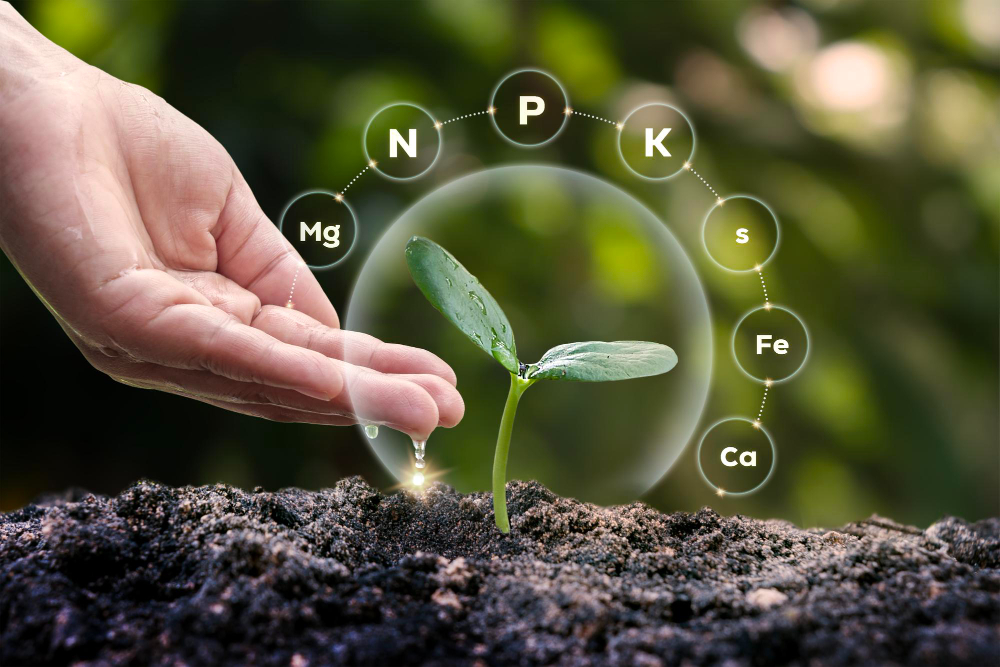
Healthy crops begin with proper nutrition. Just as plants need the right combination of nutrients to grow, develop, and produce quality yields, the soil must also be managed to provide those nutrients in a balanced manner.
Balanced crop nutrition is an important part of modern agriculture because it supports healthy plant growth while helping farmers make better use of available soil nutrients and agricultural inputs.
What Is Balanced Crop Nutrition?
Balanced crop nutrition means supplying plants with the essential nutrients they need in the right proportion and at the right stage of growth.
Plants require different nutrients for different functions, including:
- Root development
- Leaf and stem growth
- Flowering
- Fruit development
- Overall plant strength
- Crop quality
Providing only one nutrient may not be enough to support the complete needs of a crop. A balanced approach considers the crop, soil condition, growth stage, and nutrient requirements together.
Understanding Essential Plant Nutrients
Plant nutrients are generally divided into macronutrients and micronutrients.
Macronutrients
Macronutrients are required by plants in relatively larger quantities.
Important macronutrients include:
Nitrogen
Nitrogen supports vegetative growth and plays an important role in the development of healthy leaves and stems.
Phosphorus
Phosphorus supports root development and contributes to important stages of plant growth and development.
Potassium
Potassium supports overall plant strength and helps plants perform important physiological functions.
Other nutrients, including calcium, magnesium, and sulphur, also contribute to various aspects of plant development and crop performance.
The Role of Micronutrients
Although micronutrients are required in smaller quantities, they are still important for healthy crop growth.
Micronutrients such as:
- Zinc
- Iron
- Boron
- Manganese
- Copper
- Molybdenum
support various plant processes and contribute to the overall nutritional balance of the crop.
A deficiency of even a required micronutrient can affect plant development and crop performance.
Why Balanced Nutrition Matters
1. Supports Healthy Plant Growth
The right nutrient balance helps support the development of healthy roots, stems, leaves, flowers, and fruits throughout the crop cycle.
2. Supports Crop Development
Different growth stages require different nutritional support. Providing appropriate nutrition can help farmers better manage crop development from early growth through maturity.
3. Helps Address Nutritional Imbalances
Nutrient imbalance in the soil can affect plant growth. A balanced crop nutrition approach helps farmers consider the overall nutritional needs of the crop rather than focusing on only one nutrient.
4. Supports Better Soil Management
Crop nutrition and soil health are closely connected. Understanding the condition of the soil can help farmers make more informed decisions about nutrient management.
5. Supports Sustainable Farming Practices
Efficient nutrient management helps farmers use agricultural inputs more thoughtfully and according to crop and soil requirements.
The Importance of Soil Testing
Soil testing can provide valuable information about the condition of the soil and the availability of important nutrients.
Before planning a crop nutrition program, farmers may consider:
- Soil nutrient status
- Soil pH
- Crop requirements
- Previous cropping history
- Growth stage
- Recommended application practices
This information can help support more informed crop nutrition decisions.
Choosing the Right Crop Nutrition Approach
Every crop and field may have different requirements. A suitable crop nutrition approach should consider:
Crop Type
Different crops have different nutritional requirements.
Soil Condition
The nutrient status and overall condition of the soil can influence crop nutrition planning.
Crop Growth Stage
Nutrient requirements may change during different stages of crop development.
Recommended Application Practices
Products should be used according to the recommended application method and dosage.
A More Informed Approach to Crop Nutrition
Balanced crop nutrition is not simply about applying more nutrients. It is about understanding what the crop and soil require and providing appropriate nutritional support based on those needs.
Combining soil knowledge, crop requirements, proper product selection, and recommended application practices can help farmers take a more informed approach to crop nutrition.
Conclusion
Balanced crop nutrition plays an important role in supporting healthy plant growth and better crop management. By understanding essential nutrients, considering soil conditions, and following appropriate application recommendations, farmers can make more informed decisions throughout the crop cycle.
Healthy soil and balanced nutrition work together to support stronger crop development and more sustainable farming practices.