- +91 96650 78806
- sales@knsolutions.in
- India
- Mon – Sat | 9:00 AM – 6:00 PM


How Soil Testing Helps Farmers Make Better Crop Nutrition Decisions

Introduction
Healthy crops begin with healthy soil. While visible crop growth can provide useful clues, understanding the actual condition of the soil requires more accurate information.
Soil testing helps farmers understand the physical and chemical condition of their soil, including nutrient availability and other important factors that influence crop performance. With this information, farmers can make more informed decisions about crop nutrition and soil management.
Rather than applying nutrients based only on assumptions, soil testing provides valuable insights that can support more targeted and efficient farming practices.
What Is Soil Testing?
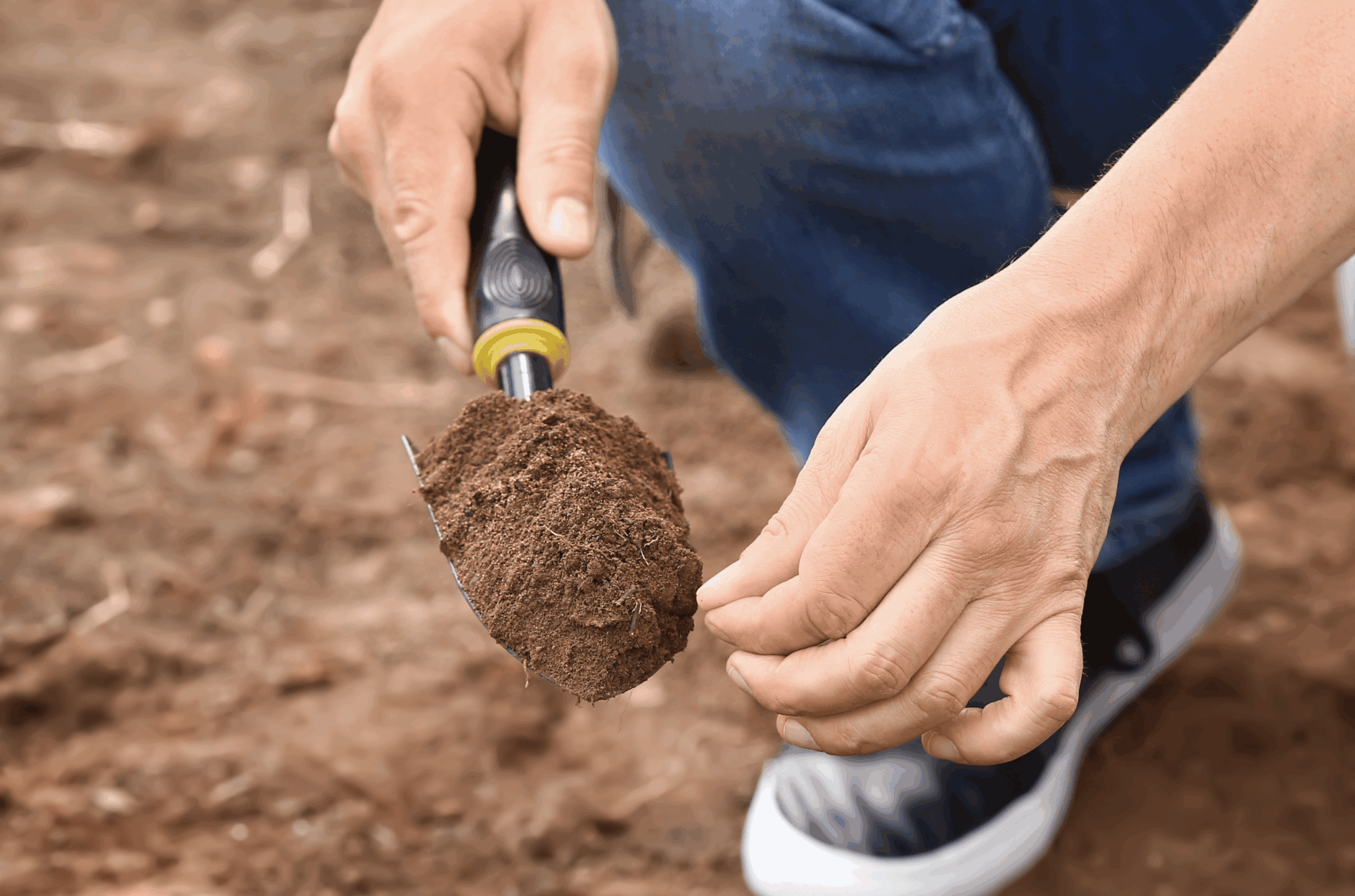
Soil testing is the process of analysing a soil sample to understand its important characteristics and nutrient status.
Depending on the type of test, the results may provide information about:
- Soil pH
- Available nutrients
- Organic matter
- Soil condition
- Nutrient deficiencies or imbalances
These results help farmers better understand what their soil may require to support healthy crop growth.
Why Is Soil Testing Important?
Different fields can have different soil conditions, even when they are located in the same region. Soil properties can also change over time due to continuous cultivation, irrigation, weather conditions, and nutrient applications.
Without proper information, farmers may apply nutrients based on general assumptions. Soil testing provides a clearer picture of the soil’s condition and helps farmers plan crop nutrition more effectively.
Key benefits include:
- Better understanding of soil nutrient status
- Identification of possible nutrient deficiencies
- More informed crop nutrition planning
- Improved soil management decisions
- Better use of agricultural inputs
How Soil Testing Supports Crop Nutrition Decisions
1. Helps Identify Nutrient Requirements
Plants require a range of nutrients for healthy growth. However, the availability of these nutrients can vary from one field to another.
Soil testing helps provide information about the nutrients available in the soil, allowing farmers to make more informed decisions about crop nutrition.
2. Supports Balanced Nutrient Management
Crop nutrition is not only about adding nutrients. It is also about maintaining balance.
An understanding of the soil condition can help farmers plan their nutrient management approach more effectively and avoid relying only on routine application practices.
Balanced nutrition supports important aspects of crop development, including:
- Vegetative growth
- Root development
- Flowering
- Fruit development
- Overall crop performance
3. Helps Farmers Make Field-Specific Decisions
A general recommendation may not always be suitable for every field.
Soil testing provides information specific to the tested soil, helping farmers make decisions based on actual field conditions rather than assumptions.
This can be especially useful when managing different fields with different soil characteristics.
4. Supports Better Soil Management
Soil health is an important part of long-term agricultural productivity.
Regularly understanding the condition of the soil can help farmers monitor changes over time and make more informed decisions regarding soil management and crop nutrition.
When Should Farmers Consider Soil Testing?
Soil testing may be useful:
- Before starting a new crop
- Before making major nutrient management decisions
- When crops show signs of poor growth
- When crop performance is inconsistent
- After repeated cultivation
- When soil conditions appear to have changed
The appropriate testing schedule may vary depending on the crop, soil conditions, and farming practices.
Soil Testing and Sustainable Farming
Efficient farming depends on making informed decisions.
By understanding the condition of the soil, farmers can plan crop nutrition more thoughtfully and manage agricultural inputs with greater awareness.
Soil testing can therefore support a more informed approach to farming by connecting soil information with crop nutrition planning and long-term soil management.
From Soil Information to Better Decisions
Soil testing is an important step toward understanding what is happening beneath the surface.
When farmers combine soil information with crop requirements, product recommendations, and expert guidance, they can develop a more informed approach to crop nutrition and soil management.
Every field is different. Understanding your soil is the first step toward making better decisions for your crops.
Conclusion
Soil testing provides valuable information that can help farmers better understand their soil and make more informed crop nutrition decisions.
By identifying soil conditions and nutrient availability, farmers can plan their approach more effectively and support healthier crop growth.