- +91 96650 78806
- sales@knsolutions.in
- India
- Mon – Sat | 9:00 AM – 6:00 PM


Why Soil Health Matters for Better Crop Growth and Long-Term Farm Productivity

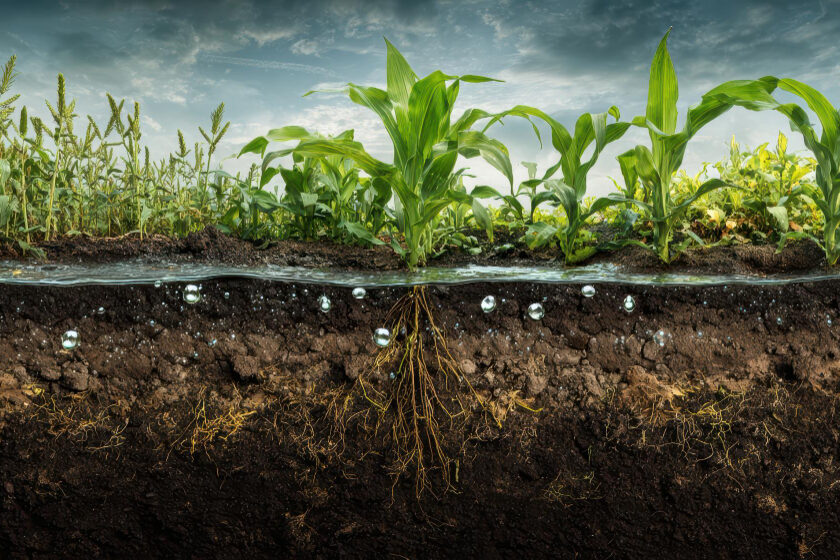
Healthy crops begin with healthy soil. Soil is more than just the medium in which plants grow. It is a living system that provides plants with essential nutrients, water, air, and physical support throughout their growth cycle.
When soil health declines, crop performance can also be affected. Poor soil structure, nutrient imbalance, low organic matter, and other soil-related challenges can make it more difficult for crops to achieve their full potential. This is why maintaining soil health is an important part of productive and sustainable agriculture.
What Is Soil Health?
Soil health refers to the ability of soil to function effectively as a living ecosystem that supports plant growth and agricultural productivity.
Healthy soil should be able to:
- Support strong root development
- Store and provide essential nutrients
- Retain and manage water effectively
- Maintain good structure and aeration
- Support beneficial biological activity
- Provide a suitable environment for healthy crop growth
The condition of the soil can have a direct impact on how effectively crops access water and nutrients.
Why Soil Health Is Important for Crop Growth
1. Supports Strong Root Development
Healthy soil provides a suitable environment for roots to grow and develop. Good soil structure allows roots to access air, water, and nutrients more effectively.
A strong root system helps plants establish better and supports healthy growth throughout the crop cycle.
2. Improves Nutrient Availability
Plants require a balanced supply of essential nutrients for healthy development. When soil conditions are not suitable, nutrients may not be available to plants in the most effective form.
Maintaining good soil health can help create better conditions for nutrient availability and support more efficient crop nutrition.
3. Helps Improve Water Management
Soil structure plays an important role in water movement and retention. Healthy soil can help manage water more effectively by allowing sufficient infiltration while retaining moisture that plants can access.
This is especially important for maintaining consistent crop growth.
4. Supports Better Crop Performance
When soil provides a suitable environment for root growth, water availability, and nutrient uptake, crops have better conditions for healthy development.
Balanced soil health can support:
- Vegetative growth
- Flowering
- Fruit development
- Crop quality
- Overall plant performance
Common Factors That Can Affect Soil Health
Several factors can influence the condition of agricultural soil, including:
Nutrient Imbalance
Repeated cultivation without proper nutrient management can affect the balance of essential nutrients in the soil.
Poor Soil Structure
Compacted or poorly structured soil can restrict root growth, water movement, and air circulation.
Low Organic Matter
Organic matter contributes to soil structure and supports biological activity. Maintaining suitable levels can help support overall soil function.
Improper Water Management
Both excess water and insufficient moisture can affect soil conditions and crop growth.
Continuous Cropping
Growing the same crop repeatedly without appropriate soil management can place continuous pressure on specific nutrients and soil resources.
The Importance of Soil Testing
Soil testing can provide valuable information about the condition of agricultural soil. It helps farmers understand important factors such as nutrient availability and other soil characteristics.
With better information about the soil, farmers can make more informed decisions regarding:
- Crop nutrition
- Nutrient management
- Soil improvement
- Product application
- Crop planning
Soil testing is an important step toward developing a more informed and efficient soil management approach.
Building a Better Soil Management Approach
Improving soil health requires consistent and informed management. A good approach should consider the specific conditions of the soil, the crop being cultivated, and the nutritional requirements throughout the crop cycle.
Farmers can focus on:
Understanding Soil Conditions
Regularly assessing soil conditions helps identify potential challenges and nutrient requirements.
Following Balanced Nutrition
Providing crops with suitable and balanced nutrition can help support healthy growth and development.
Using the Right Products
Product selection should be based on crop requirements, soil conditions, and recommended application practices.
Applying Products Correctly
Following the recommended dosage and application method is important for effective crop nutrition and responsible farm management.
Soil Health and Long-Term Farm Productivity
Soil health is not only important for the current crop cycle. Maintaining healthy soil can also contribute to long-term agricultural productivity.
A healthy soil management approach can help farmers:
- Support consistent crop growth
- Improve nutrient management
- Make more informed farming decisions
- Maintain better soil conditions
- Support sustainable agricultural practices
The goal is not simply to improve one crop cycle, but to build a stronger foundation for future farming.
Conclusion
Healthy soil is the foundation of productive agriculture. It supports root development, nutrient availability, water management, and overall crop performance.
By understanding soil conditions, using soil testing where appropriate, and following balanced crop nutrition and soil management practices, farmers can make more informed decisions for healthier crops and long-term farm productivity.
Better soil supports better crops. A stronger understanding of soil health is an important step toward more informed and sustainable farming.